




Iran–United States Confrontation: A Game of Calculated Pressure
The Middle East has become embroiled in a prolonged and costly "game of nerves," in which Iran, leveraging the Strait of Hormuz and seeking to influence Western public opinion, is attempting to reshape the regional order in its favor.
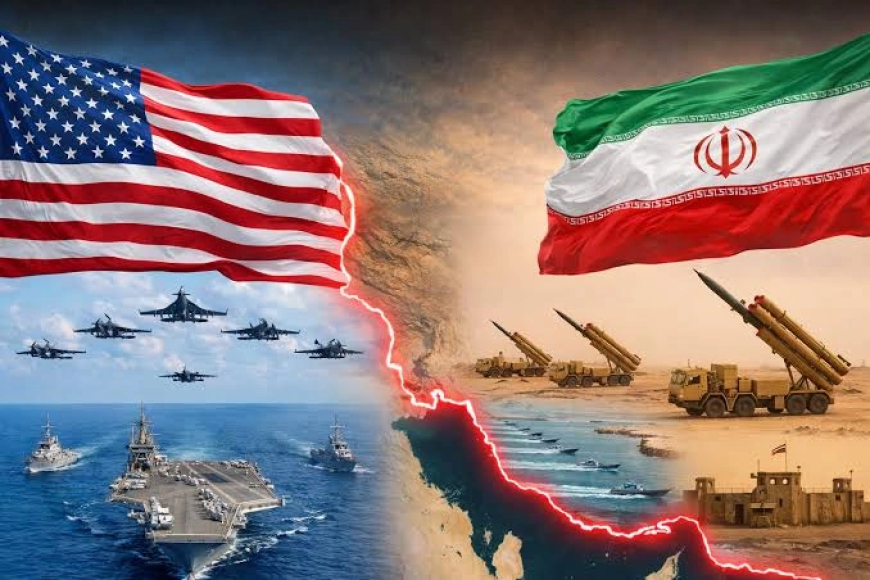
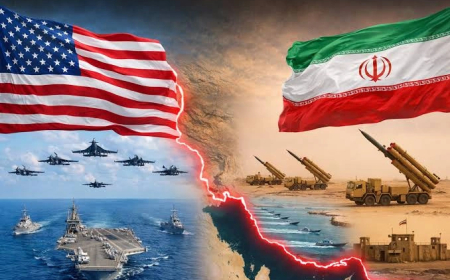
The current state of the confrontation between Iran and the United States can hardly be categorized within the traditional concepts of either "war" or "peace." A review of the latest analyses by leading think tanks, along with expert assessments, suggests that the region has entered a phase of "calculated pressure," in which both sides, fully aware of the catastrophic costs of an all-out war, have engaged in a campaign of asymmetric confrontation.
Battlefield Strategy: The Struggle Over the Energy "Golden Chokepoint"
The Islamic Republic of Iran's principal strategic advantage in this round of confrontation lies in the central role of the Strait of Hormuz as a vital artery of the global economy. According to available evidence, following the heavy U.S. and Israeli strikes during Operation Epic Fury in March 2026 (Esfand 1404 in the Iranian calendar), Iran concluded that its strategic positioning in the Persian Gulf constitutes a powerful lever for redefining the regional balance of power. In response, the United States demonstrated through extensive retaliatory strikes that it would not hesitate to employ military force. Nevertheless, these operations—described as part of a "paradoxical puzzle"—have not prevented Iran from maintaining pressure in the Strait. Instead, they appear to have reinforced Tehran's calculations regarding the strengthening of its limited regional deterrence.
Tehran's Complex Calculations: Survival Through Attrition
Senior analysts argue that Iran's current strategy is less focused on achieving military victory on the battlefield than on two key principles: "playing for time" and winning the battle in Washington's "living room." By capitalizing on its strategic geography, Iran seeks to drive up oil prices and impose costly shocks on the global economy, thereby mobilizing American public opinion and political currents against the Trump administration. From Tehran's perspective, time favors Iran in a prolonged war of attrition, and it believes it can outlast America's allies in the Persian Gulf.
Washington's Constraints: Costs and Domestic Pressures
On the other side of the confrontation, the United States faces significant obstacles to escalating the conflict. Will Todman of the Center for Strategic and International Studies (CSIS) has emphasized that the economic, military, and logistical costs of a full-scale war would be prohibitively high for both countries, making such a scenario the least desirable option. Moreover, the approaching U.S. midterm congressional elections have strengthened the White House's determination to prevent the conflict from spiraling, as another spike in gasoline prices could alienate key voters from the governing party. At the same time, prolonged tensions would significantly deplete U.S. strategic munitions stockpiles that are essential for maintaining a simultaneous military presence in the Indo-Pacific region—a concern that has prompted the Pentagon to exercise greater caution.
Divergence Within the Western Camp and Arab Concerns
One of the most significant consequences of this confrontation has been the widening gap between the United States and its European allies. European countries, which were never particularly enthusiastic about military adventurism in the Middle East, have increasingly moved toward greater "strategic military autonomy" from Washington. Their diplomatic efforts are now focused on containing hostilities and preventing a broader conflict that could disrupt Europe's energy security.
At the regional level, the Arab states of the Persian Gulf find themselves on the front line of this proxy confrontation. Reports suggest that by targeting U.S. facilities in countries such as Kuwait and Bahrain, Iran seeks to increase pressure on Washington's regional partners while demonstrating their vulnerability.
The Road Ahead: Three Possible Scenarios
Drawing on the latest findings from leading think tanks, three principal scenarios can be envisioned for the future of this confrontation:
1. Continuation of the "Neither War Nor Peace" Status Quo (Most Likely):
Limited hostilities and targeted strikes continue. Although they impose substantial costs on both the regional and global economies, mutual deterrence prevents the conflict from escalating into a full-scale war.
2. Resumption of Diplomacy (Moderately Likely):
The combined pressures of severe sanctions on one hand and the rising costs of maritime insecurity on the other could eventually compel both sides to return to the negotiating table in pursuit of a more durable agreement.
3. Full-Scale War (Least Likely):
This scenario would likely materialize only in the event of a catastrophic miscalculation—such as the deaths of a large number of American troops—or a deliberate provocation by Israel, which the text describes as favoring continued pressure on Iran. However, the enormous costs such a war would impose on both sides make it the least probable outcome.
In short, the Middle East is caught in a prolonged and costly "game of nerves," in which Iran seeks to reshape the regional order in its favor by leveraging the Strait of Hormuz and influencing Western public opinion. Meanwhile, the United States, constrained by the competing demands of deterrence and domestic and international limitations, aims to contain the crisis at the lowest possible cost. What appears certain is that the region is likely to remain trapped in this fragile ceasefire and recurring cycle of provocation and response, one that could be disrupted at any moment by an unforeseen event.