



Trump's State of Mind Before the Trip to China
Trump claims victory over Iran without help, but a U.S. senator admits the Strait of Hormuz is out of U.S. control. Iran holds key cards before Trump's China visit.
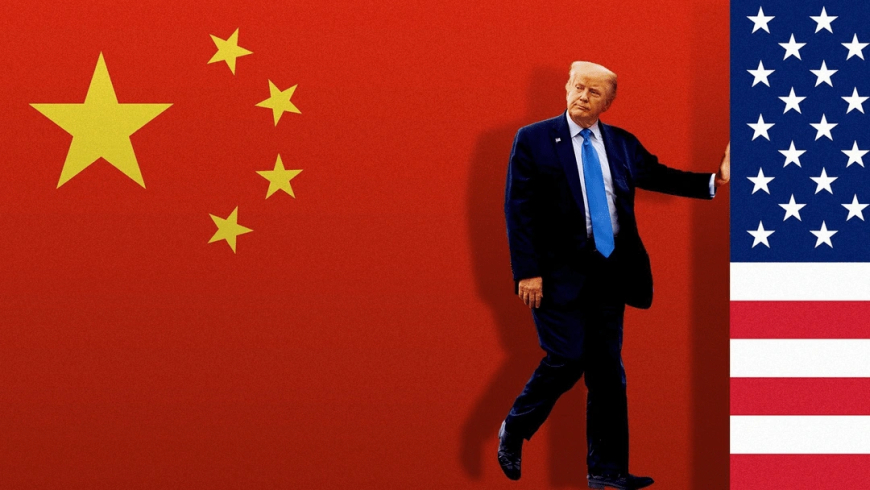
Before his trip to China, Donald Trump, with a triumphant gesture, says he doesn't need anyone's help to fight Iran and that he will win on his own. But at the same time, a U.S. Senator is criticizing the Secretary of Defense, stating that ship traffic in the Strait of Hormuz has practically slipped out of Washington's control.
In the days when the U.S. President, in his tweets and statements, speaks the language of absolute power, a deep contradiction between these claims and the reality on the battlefield has become apparent.
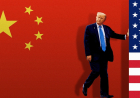
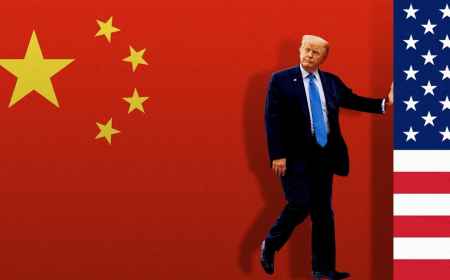
Before his trip to China, Trump claimed, "I don't need anyone's help regarding Iran, and we will win." He even speaks of a long negotiation with the President of China about the "war against Iran," but again emphasizes he doesn't need foreign help. This is while the world's most vital oil waterway is currently telling a different story.
According to monitored data, Iran has essentially controlled traffic in the Strait of Hormuz for nearly ten weeks. This means that not only commercial ships, but the very pulse of oil transport from the Persian Gulf is subject to the will emanating from Tehran.
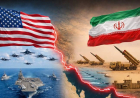
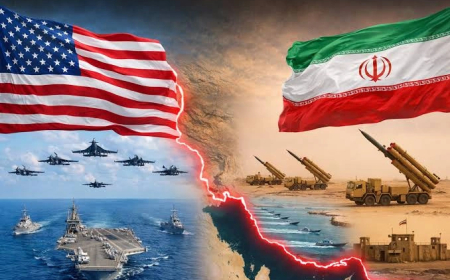
Simultaneously, Tehran has managed to preserve a very large portion of its strategic arsenal — especially the Shahed drones and anti-ship missiles — despite repeated attacks. This means Iran's deterrent cards have not only not been eliminated but continue to cover a wide operational area.
The warning from a U.S. Senator to the Secretary of Defense is clear evidence of the depth of the gap between claim and reality. While the Pentagon talks about "controlling the Strait," American lawmakers on the other side of the table are shouting that "it's clear ship traffic is not in our hands."
This admission within the heart of the U.S. legislative body means that the blockade intended to paralyze Iran has not only failed but has now trapped Trump in his own strategic contradictions.
Trump says, "We will never have a deal with Iran unless it's a good deal," as if the key to negotiations lies solely in the White House. But when the Strait of Hormuz breathes under the shadow of Iranian power for ten weeks, a "good deal" is no longer defined solely by Washington's will.
Tehran is not in a position to simply sit at the negotiating table from a passive stance; the winning cards Trump claims are exclusively in his possession — at least in the geography of the Persian Gulf — a large part of them are in Iran's hands.
The thought-provoking point is that Trump personally mentions negotiating with China about the "war against Iran," precisely while stating he doesn't need help. If a unilateral "victory" without others' help is to be achieved, why would the U.S. President need to have a long discussion with Beijing about a war?
This paradox, more than being a diplomatic tactic, is a sign of hidden pressure that has crept from the heart of battlefield failures into the White House's decision-making rooms. In a recent interview, Trump indicated, "Don't ask Iran and don't speak" – a statement suggesting the pressure of the war with Iran is affecting him.
Military strikes that were supposed to hit "significant targets," as even Trump's fellow party senators admit, have failed to unlock the Strait of Hormuz for the unhindered passage of tankers.
Iran still keeps its Shahed drones in hangars, maintains its anti-ship missiles in firing positions, and manages maritime traffic under its control. All of this is happening while the threat of "absolute victory" is still blaring from America's loudspeakers.
Ultimately, the image emerging from these contradictions is not one of discursive superiority; it is an image of a battlefield where the game's cards are no longer just in one player's pocket.
Trump may still beat the drums of war, but whoever holds the grip on the world's energy lifeline for ten weeks will inevitably have a voice louder than military options in any potential negotiation.
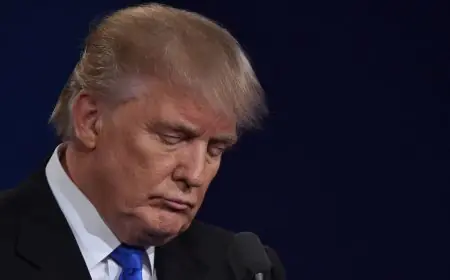
All these points indicate that Trump is not in a good state of mind before his trip to China, despite all his threats. On the other hand, the U.S. no longer has the hegemony and power it once had, and American power has significantly declined — an issue that will be clearly evident during Trump's trip to China.